
Portal
Implementation
Framework
Deploying an effective employee self service rapid card system requires more than software installation. It demands a structural shift in how data moves between your organization and its workforce. This guide outlines the blueprint for a high-integrity rollout.
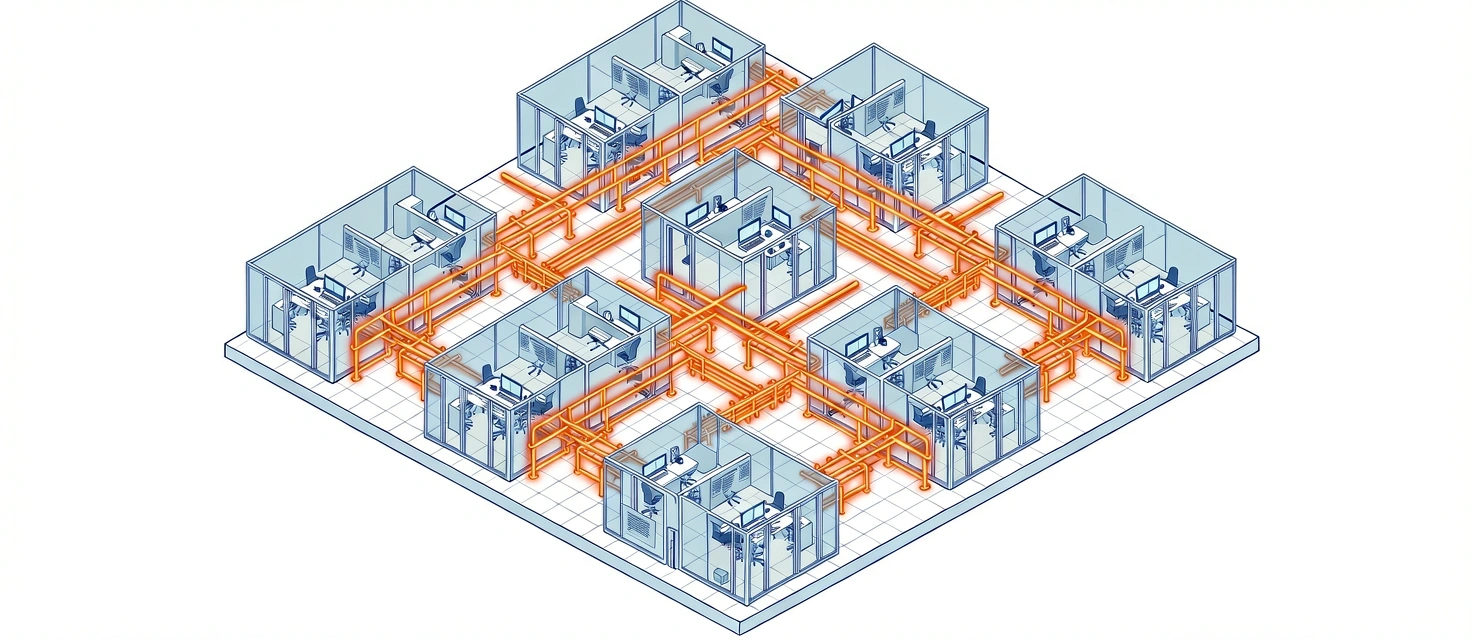
Phased
Rollout
Sequence
Metrics for Success
- • Zero-Latency Data Mapping
- • Secure MFA Protocol Enrollment
- • 100% Mobile UI Responsiveness
Core Logic Mapping
Before configuring any UI, the portal must understand the organizational data hierarchy. This involves auditing every existing API connection and identifying primary data fields for employee self service rapid card functionality.
View Mapping CheckpointsInterface Prototyping
Drafting the low-fidelity journey. We focus on the "3-Click Rule"—any vital document, pay stub, or benefits record must be accessible in three interactions or fewer from the dashboard entry point.
Stress Testing & Launch
Executing load-balancing tests to ensure peak-time stability (e.g., during benefits open enrollment) followed by a gradual department-by-department rollout to mitigate support friction.
Phase 01: Defining the
Logical Architecture
Implementation begins with a full audit of your current data silos. An effective employee self service rapid card portal functions as a unified gateway to fragmented systems. Without a clear map of how data moves between HRIS, Payroll, and Benefit providers, the interface will eventually fail.
We recommend establishing a "Data Dictionary" first. This ensures that a field named "Hire Date" in your payroll system maps correctly to "Employment Commencement" in your portal UI.
- Export existing user permission tiers for cross-verification.
- Confirm API endpoints for real-time pay stub retrieval.

Technical Note
Always ensure your data mapping includes "Latency Windows." If payroll updates once per 24 hours but the portal claims "Real-Time Updates," you create a trust gap with employees.
Risk Identification
Legacy Mismatch
Occurs when modern portal software is forced to integrate with proprietary systems from the early 2000s without a middleware translation layer.
Permission Leaks
Critical failure point where data hierarchy is incorrectly mapped, allowing non-managerial staff to view sensitive peer information.
Adoption Friction
The failure to provide mobile-first accessibility for non-desk workers, leading to low utilization and increased HR phone volume.
Standard Precaution: No software platform replaces a broken internal process. Ensure your HR policies are codified and clear before automating them through a portal.
Secure Your
Portal Architecture
Implementation is a high-precision maneuver. Our consulting architects provide structured reviews for businesses moving from manual workflows to integrated employee self service rapid card environments.

Direct Support Channel
305 Acacia Lane, Detroit, MI 48201
+1-313-556-0629
info@rapidocarbs.com