
Success
Architecture
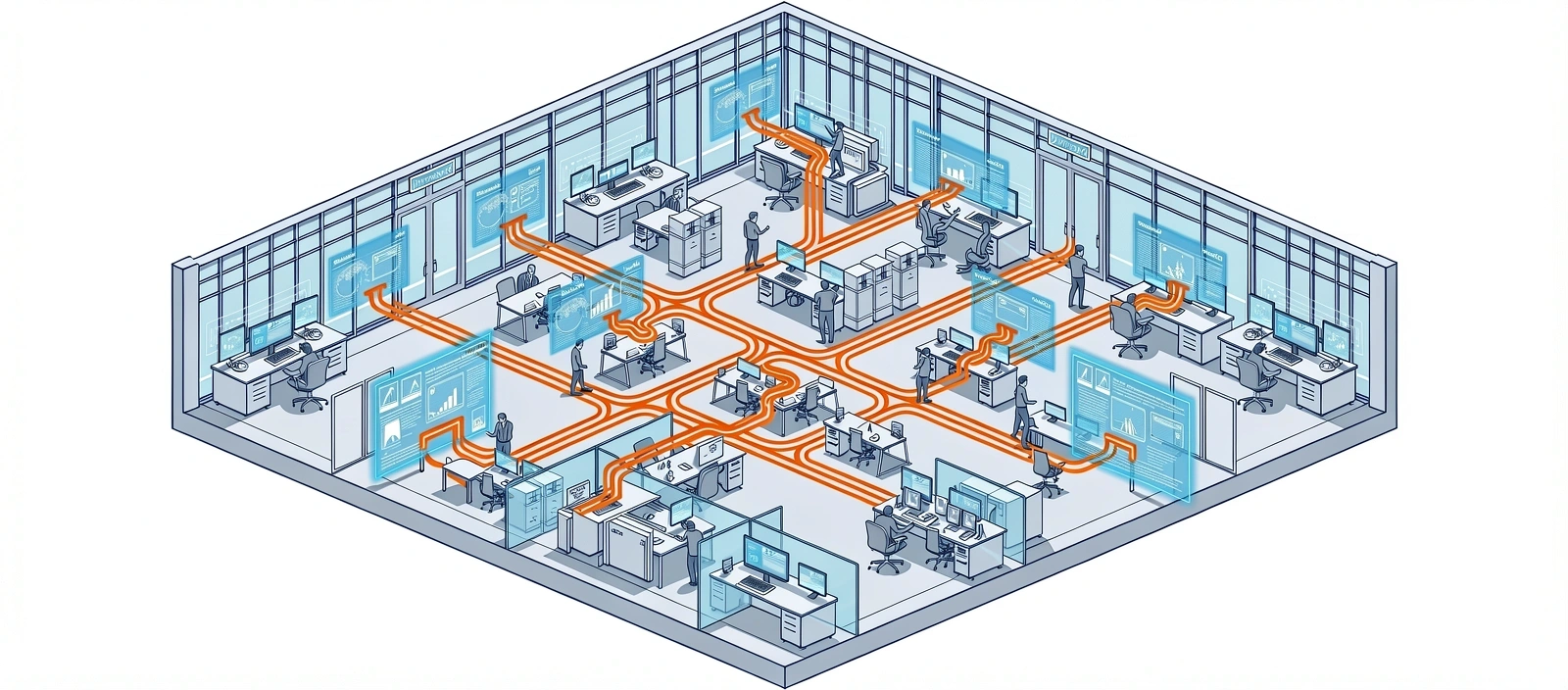
A successful employee self service rapid card portal is more than a digital directory; it is a structural layer of your business. We define success through measurable adoption, technical reliability, and the precise deflection of administrative debt.
Performance
Benchmarks
Measuring the return on your technical infrastructure investment requires a shift from qualitative feedback to quantitative blueprinting. We track the three primary load-bearing metrics of a healthy portal.
Active Engagement
The true success of employee self service rapid card is found in recurring usage. A healthy portal sees at least 75% of the workforce accessing core tools monthly without administrative prompting.
- + LOGIN FREQUENCY TRACKING
- + TASK COMPLETION VELOCITY
Service Efficiency
Successful implementation shifts the burden of routine requests from HR staff to the system. Success is defined by a 40-60% reduction in level-one support tickets within the first 180 days.
- + REDUCED EMAIL OVERHEAD
- + AUTONOMOUS DATA MANAGEMENT
Psychological Trust
The emotional response to the interface determines long-term viability. We measure the Friction Score—the technical effort required for an employee to find and update their own records.
- + NET PROMOTER SCORE (NPS)
- + INTERFACE USABILITY AUDITS
Foundation of
Digital Trust
PILLAR A // DATA ACCURACY
The system must serve as the single source of truth. Even a 1% error rate in payroll or benefits visibility creates a localized trust collapse that takes months to recover.
PILLAR B // SYSTEM LATENCY
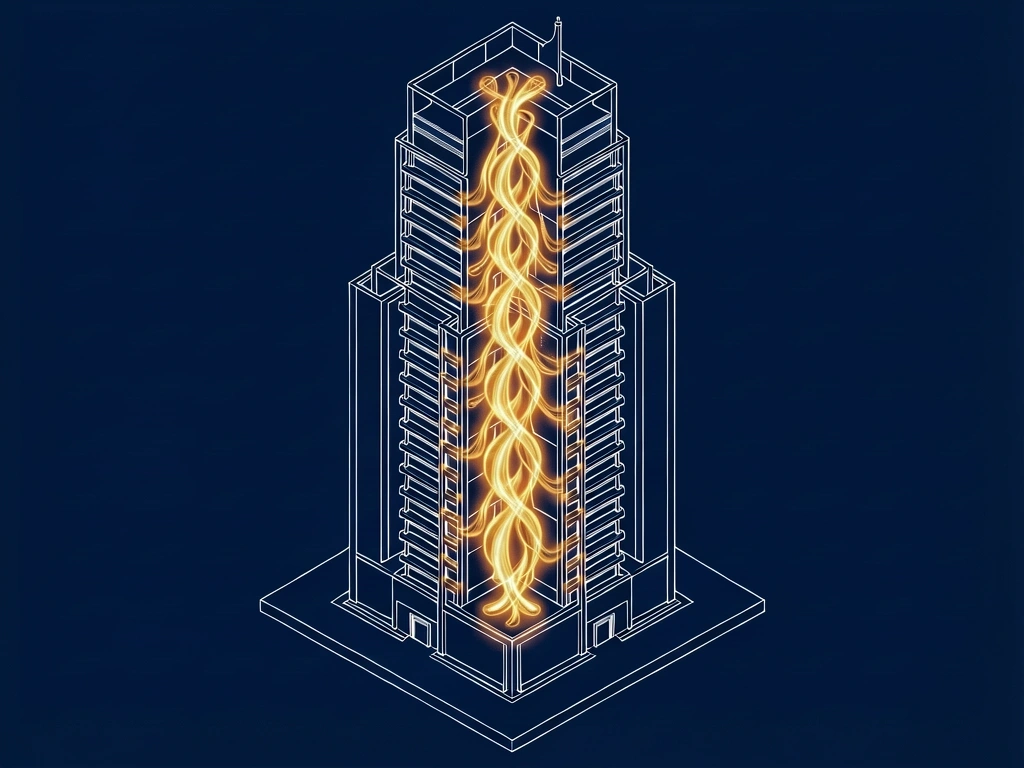
Reliability is defined by presence. A successful portal is architected for 99.9% uptime, ensuring the employee journey is never interrupted by connectivity voids.
PILLAR C // UI CONSISTENCY
Predictable navigation builds confidence. Successful portals use strict blueprinting for every module, reducing the cognitive load on occasional users.
Support Frameworks
| Criteria | Internal Support | External Managed | Hybrid Model |
|---|---|---|---|
| Institutional Knowledge | |||
| 24/7 Technical Response | |||
| Cost Scalability | High Fixed Cost | Variable / Per-User | Optimized Balance |
| Security Oversight |
Technical Recommendation: For growing enterprises, the Hybrid Model represents the peak of success architecture. It retains institutional knowledge for sensitive HR matters while delegating routine server maintenance and portal updates to specialized external engineers.
Secure Your
Portal Integrity
Success in employee self service rapid card is not accidental; it is engineered. Schedule an Architecture Audit to identify the load-bearing failures in your current ecosystem and deploy a roadmap for structural recovery.